Reconnect
Deepen collective relationships with sacred biocultural landscapes and ancestral territories.
 Earth
EarthThe Damixi Calendar Converter was developed by Dr. Geraldine Patrick Encina and is supported by more than twenty-five years of scientific work.
A continental network of wisdom keepers, community leaders, researchers, and educators renewing our relationship with sacred time-space.
Our purpose · Nuestro propósito
Earth Timekeepers supports communities reclaiming the philosophies, knowledge, and practices of the Cycle of Life through on-site, cross-cultural dialogue and teaching.
Deepen collective relationships with sacred biocultural landscapes and ancestral territories.
Bring original calendars, thought houses, ceremonies, foodways, and ecological practices back into community life.
Build leadership grounded in kinship, place, joy, purpose, and the rights of Mother Earth.
“Let us reclaim the future our ancestors built so we could live well”
Our ancestors studied recurring celestial and ecological cycles so communities could prepare, respond, and care for life. Our responsibility is to keep studying.
Quiénes somos · The people behind the work
The Colectivo Guardianes de la Tierra de la Península de Yucatán brings together Maya educators, artists, researchers, chroniclers, and cultural stewards. Their shared work keeps original calendars, community memory, ecological practice, and the knowledge held in ancient Maya texts alive across generations.
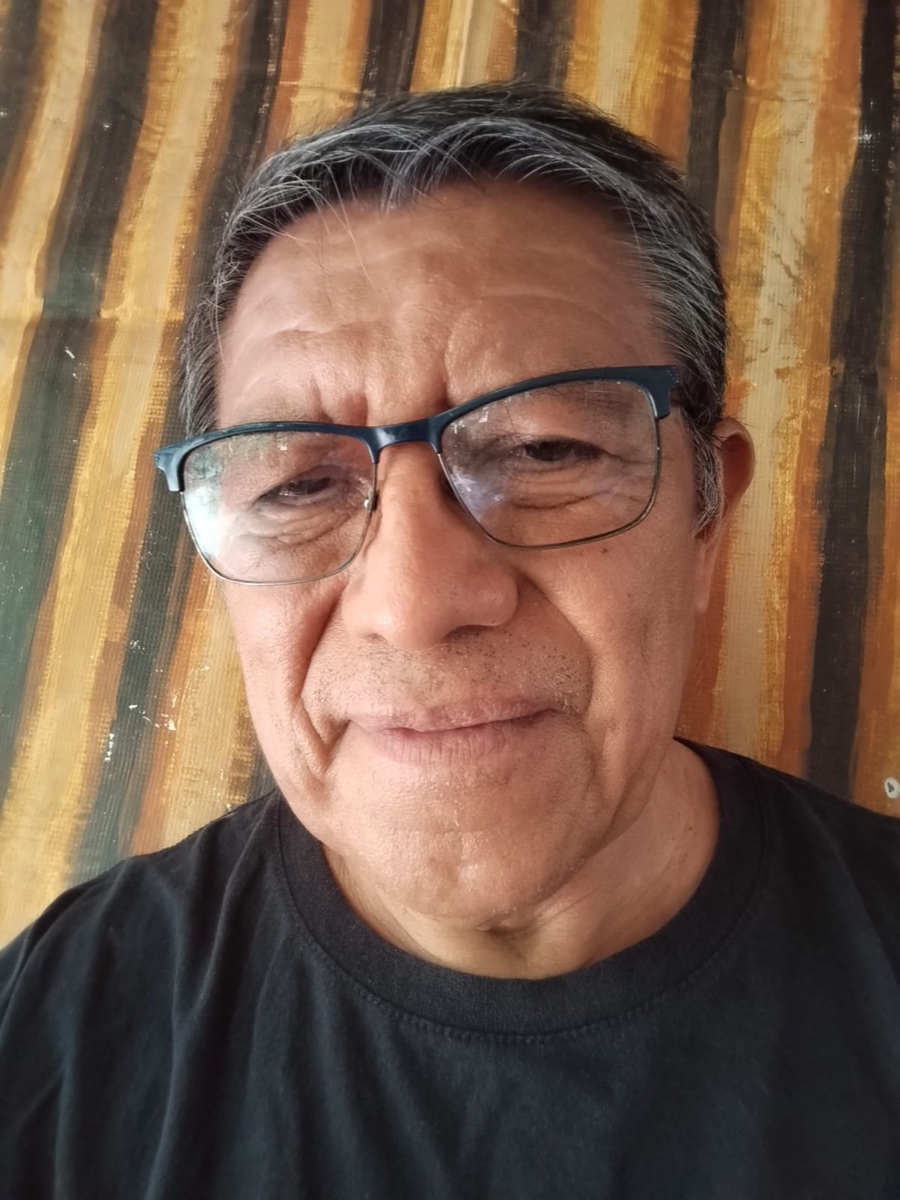
Artist · educator · UNESCO consultant
Originally from the Maya community of Noh Cah, Marcelo trained with Mexico’s CUÑA group of painters, sculptors, and engravers. He served as UNESCO Mexico’s focal point in Quintana Roo from 2021 to 2023 and as a consultant from 2023 to 2025, while teaching and administering the Visual Arts Workshop at the Autonomous University of Quintana Roo.
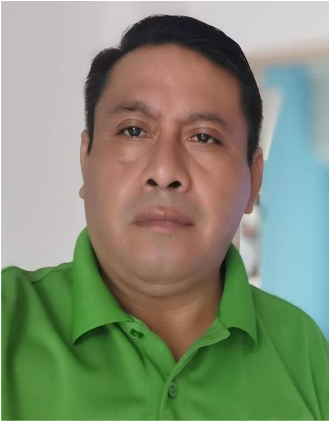
Indigenous education · calendar practice
Born in the Maya community of Pino Suárez, Norberto holds degrees in mathematics education and a master’s in education. As Director of Indigenous Education for Quintana Roo, he brings the Original Maya Ja’ab Calendar into primary classrooms and also cares for the milpa, the forest, and melipona bees.
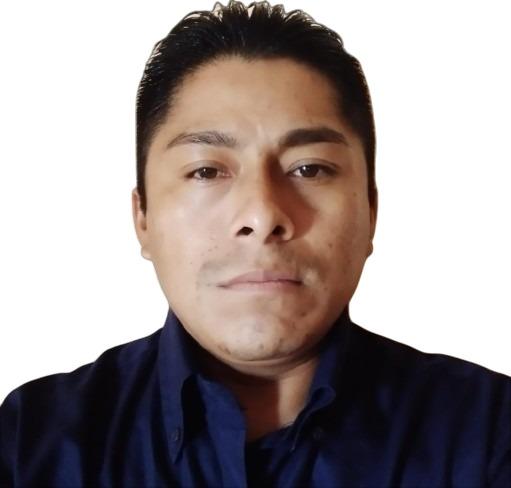
Social anthropology · Maya textual research
Miguel is a professor and researcher at the Autonomous University of Quintana Roo. He received the State Youth Award for Cultural Distinction in 2019 and an honorable mention for the Cecilio Chi Medal of Indigenous Merit in 2024. With Omar and Geraldine, he reads dated ancient Maya texts to recover the activities held throughout the year.
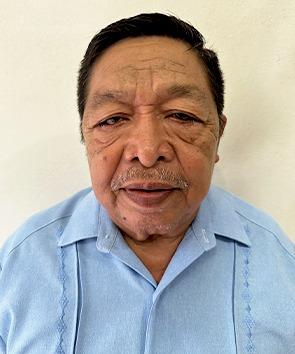
Chronicler · journalist · documentary maker
A journalist since 1975, Mario has served as Chronicler of Felipe Carrillo Puerto since 2001 and leads the Quintana Roo Chroniclers Association. He founded the Casa de la Crónica and the José María Barrera Maya Holistic Center, and has produced books, historical capsules, and documentary films rooted in regional memory.
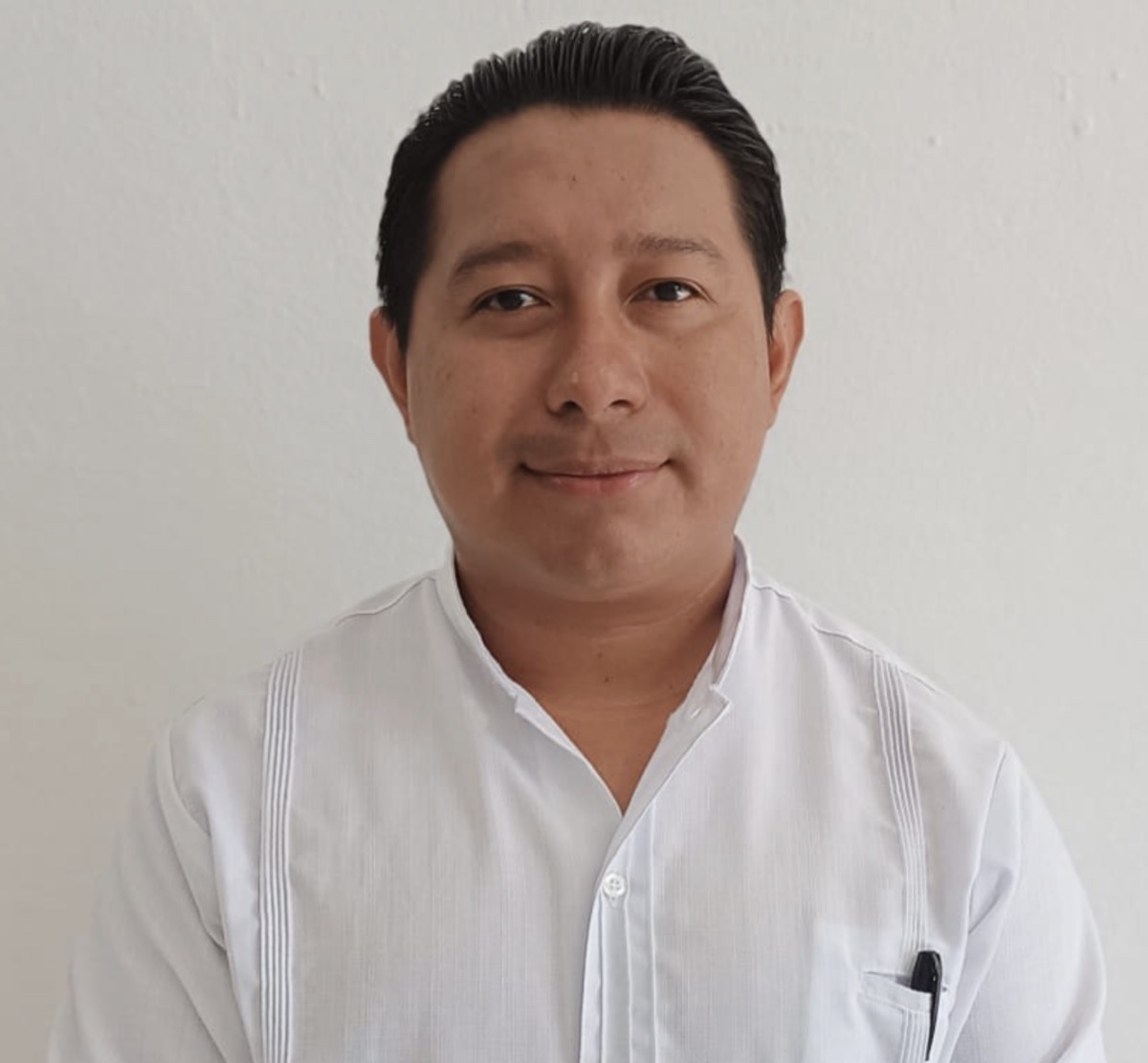
Cultural promotion · Maya hieroglyphic writing
Omar studied Arts Management and Development at the Intercultural Maya University of Quintana Roo. He promotes culture through the Casa de la Crónica and facilitates Maya hieroglyphic workshops across the bioregion. With Miguel and Geraldine, he reads ancient dated texts and creates cultural works with Maya hieroglyphic inscriptions.
Early childhood education · Maya midwifery research
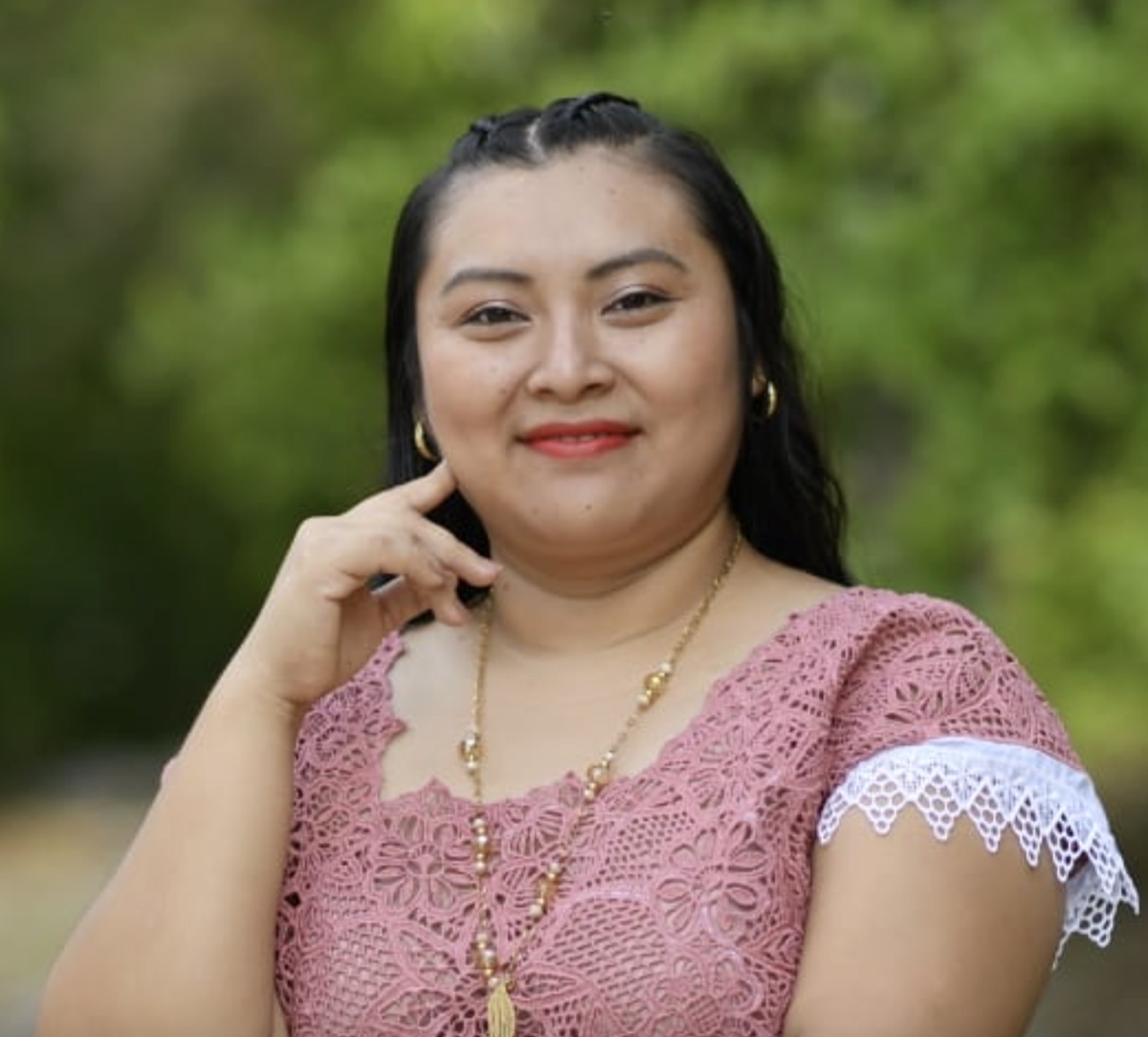
Martha directs the Leona Vicario Indigenous Preschool in the Maya community of Hondzonot. She represents Indigenous Preschool education in national courses, reviews Indigenous Language Teaching Service entrance examinations, and brings the Original Ja’ab Calendar into the classroom. She also researches Maya midwifery.
Ecology · astronomy · Indigenous calendars
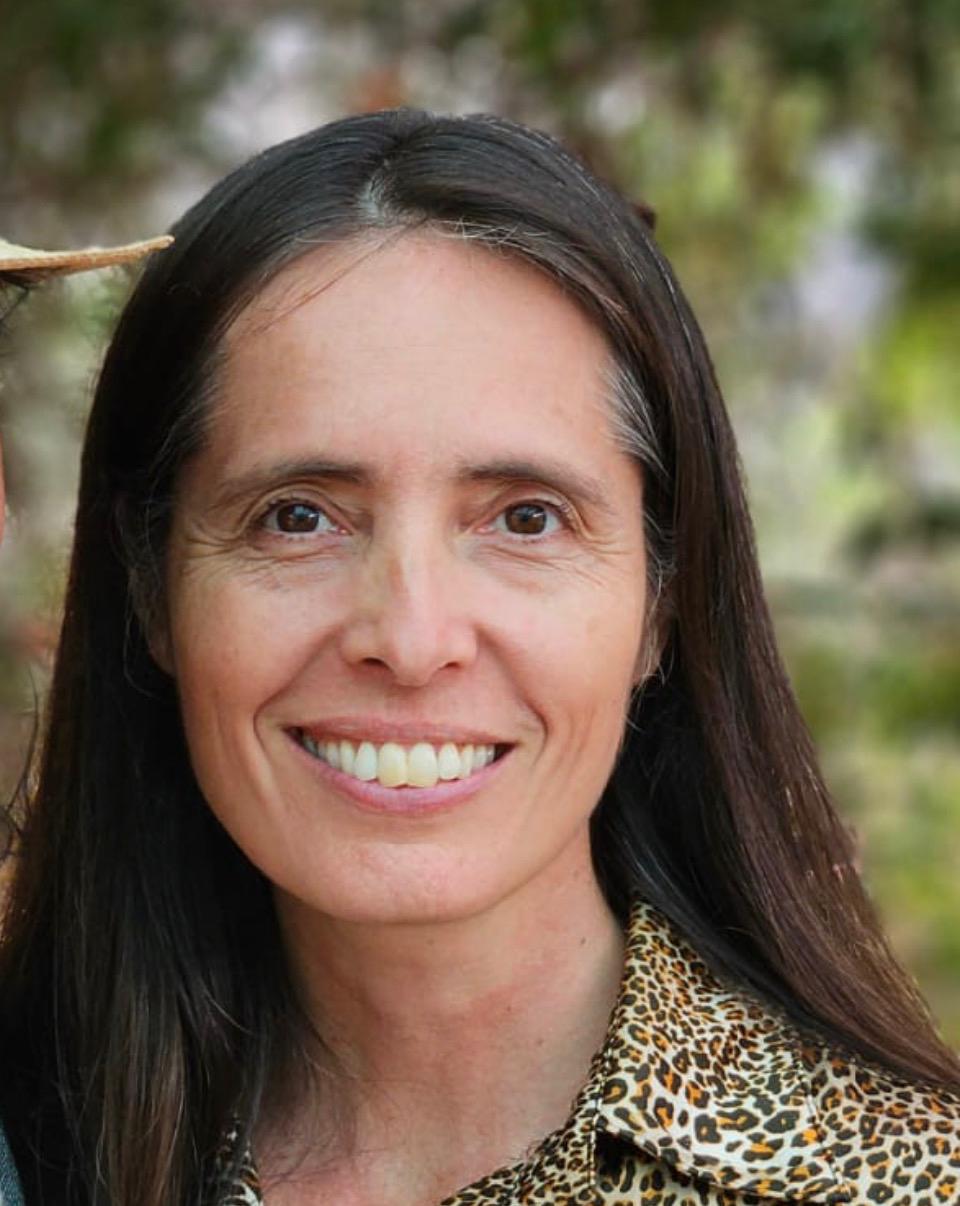
The daughter of Chilean parents, Geraldine was raised in Gran Canaria and became a Mexican citizen in 2002. She holds a doctorate focused on ecology, astronomy, and the calendars of the Maya peoples of Yucatán and the Otomí of central Mexico. Through astronomical calculations of Venus, the Moon, and the Sun, she has recovered ancient Maya, Otomí, and Mexica calendars and studies dated Maya texts with Miguel, Omar, and Norberto.
Our history · Nuestra historia
Support for Jake Swamp’s Peacemaker vision at the headwaters of the Mississippi; conversations deepen around the New Dawn, original principles, calendars, and sacred sites.
Earth Timekeepers meet in Hotevilla, Arizona, and later Santa Fe, New Mexico, to plan a film with Victor Masayesva.
Field research expands through Maya communities in southern Mexico and Guatemala, with visits to traditional authorities and sacred sites marked by original calendars.
Support arrives from Canada’s Social Sciences and Humanities Research Council and the U.S. National Science Foundation.
A planetarium production on the Otomí worldview is completed with the permission, guidance, and participation of Otomí community authorities.
Learn in relationship
A learning space for students, educators, and community members studying their ancestors’ calendars, the astronomical foundations, and the living ecological knowledge held within cycles.
Start by taking the Course here.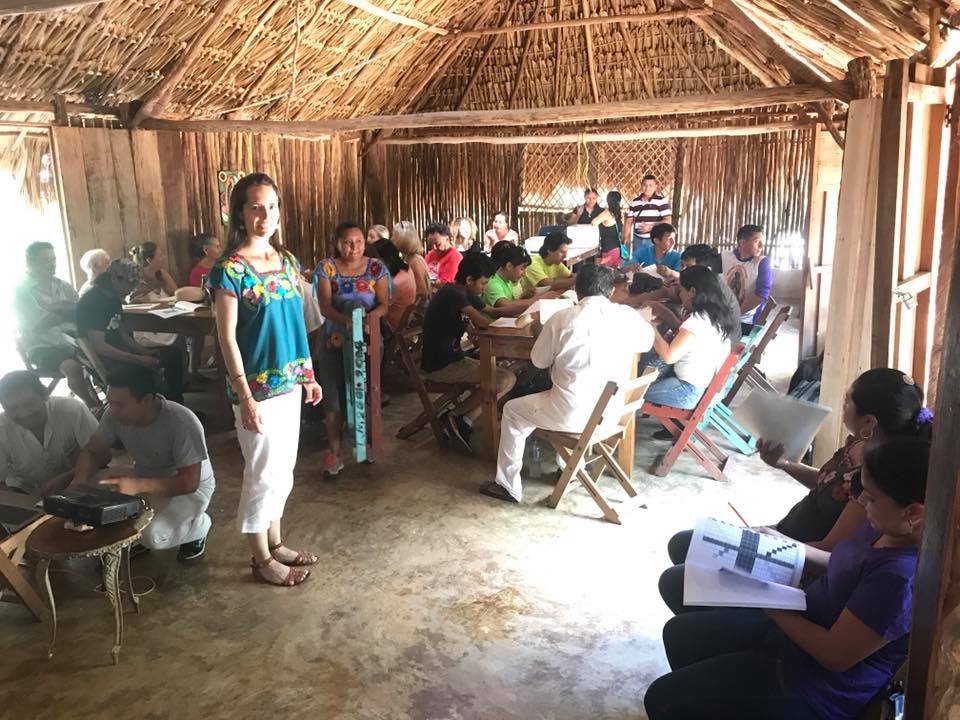
In development · Próximamente
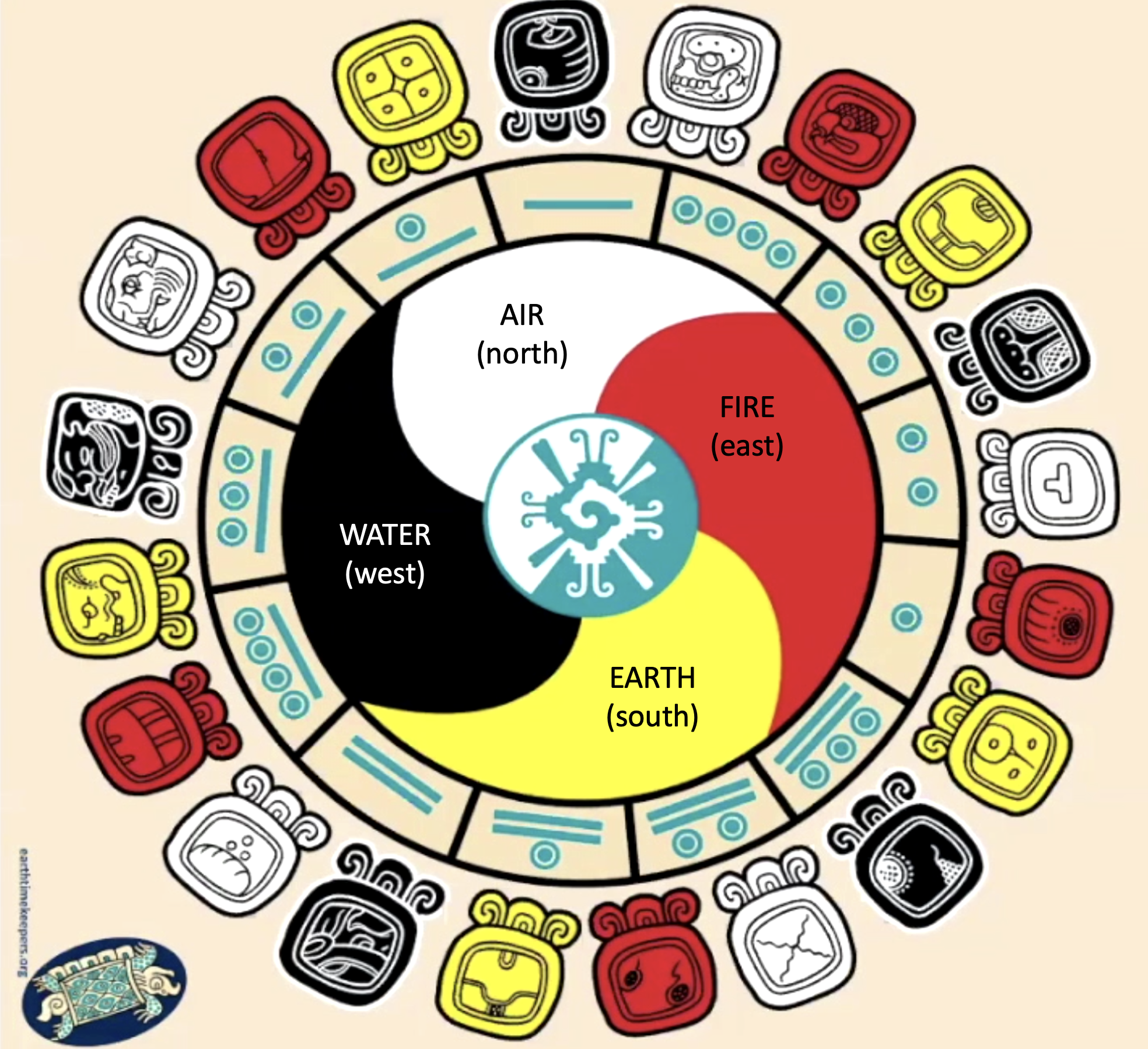
A future circle for healers to explore the 260-day count in relation to wellbeing, responsibility, ceremony, and the wisdom carried by day signs.
Express your interest ↗
Keep the circle growing
Connect with Earth Timekeepers to learn, collaborate, or share a community initiative.
geraldine@earthtimekeepers.org